


Showing 1009–1024 of 1941 resultsSorted by latest
-
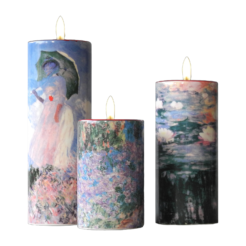
-
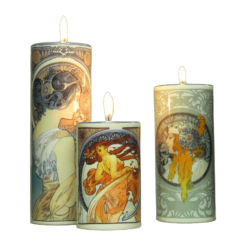
Tealight holder set Mucha
36,50 euroTealight holder set. Cowslip/Feather – The Arts – Byzantine Heads (1897 – 1899) Height 14.5 cm, 11 cm and 8 cm Material: Ceramic. In a beautiful gift box.
-

-
-
-
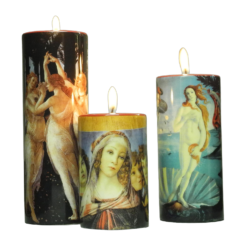
Tealight holder set Botticelli
36,50 euroTealight holder set. Primavere – Madonna – Venere (1482 – 1487) Height 14.5 cm, 11 cm and 8 cm Material: Ceramic. In a beautiful gift box.
-
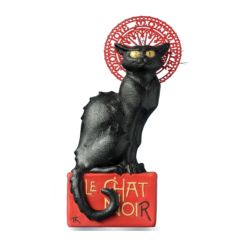
Le Chat Noir
51,00 euroThe famous poster for the legendary cabaret on the Parisian hill of Montmartre. Height is 21 cm.
-
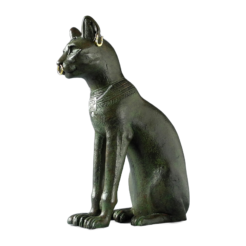
The Gayer-Anderson cat
95,00 euroArt Egypt (ca. 600 BC) Although other goddesses sometimes manifested themselves as cats, Bastet is seen as the most important cat goddess. In the complex system of Egyptian gods, the daughter Osiris and Isis formed a trinity with Hathor and the vengeful Skhmet, both negative opposites of Bastet. Bastet was credited with the power to…
-
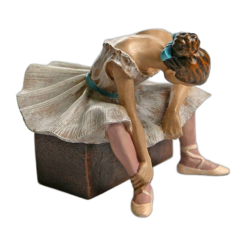
“L’attente” Degas
43,50 euroThe waiting dancer Degas developed an interest in ballet at an early age and in 1872 he made his first studies of ballet dancers. He avoided the true drama, the performance itself. This distant approach seems a reflection of Degas’ own life. When one of his favourite models went to New York, the apparently uninterested…
-

-
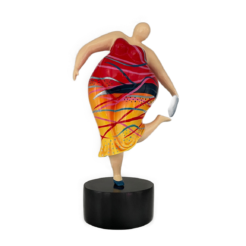
Lady with Shoe
105,00 euroArtist: Mia Coppola. This elegant lady is beautifully decorated. Hand painted. An asset to your interior. Height incl. Base 33 cm.
-
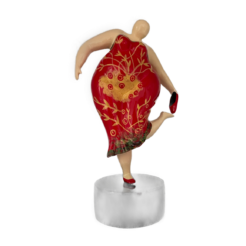
Lady with Shoe
105,00 euroArtist: Mia Coppola. This elegant lady is beautifully decorated. Hand painted. An asset to your interior. Height incl. Base 33 cm.
-
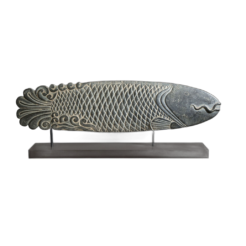
Fish, Ming Dynastie
49,00 euro(early 17th century) Chinese decorative arts flourished towards the end of the Ming Dynasty in particular. The wonderful stylisation of this carp is a perfect example. The word for fish, yu, sounds like the word for riches and abundance, and fish are therefore widely depicted in this context. Moreover, in Chinese culture carp are associated…
-
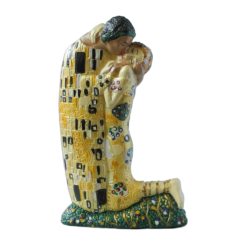
Klimt “The Kiss” Miniature
27,50 euroBehind the ornamental facade lies pure, almost esoteric happiness, a classic prayer in a sea of flowers. The lovers seem to be detached from this world in a manner typical of the Art Nouveau style. An impression that is further enhanced by the use of gold tones and gold leaf. Height 10 cm. Packaged in…
-
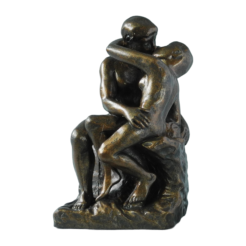
Rodin “The Kiss” Miniature
27,50 euroLike The Thinker, The Kiss is also derived from the Gate of Hell, Rodin’s opus magnus. It is originally based on the characters Paolo and Francesca from Dante’s Inferno, who are condemned to hell for eternity because they kissed each other after Francesca married Paolo’s brother. The final image of The Kiss gives a different…
-
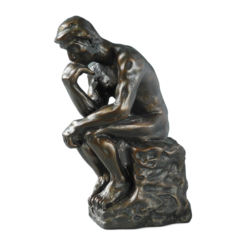
Rodin “The Thinker” Miniature
25,50 euroRodin never wanted to say anything about what his Thinker thought, at most about how he thought. “My Thinker thinks not only with his brain, his furrowed brow, his dilated nostrils and pursed lips, but with every muscle in his arms, back and legs. The Thinker sits in the tympanum and surveys hell: he is…


Choosing art statues by colour
Why choose by colour? Because colour is the first thing you notice and instantly ties a room together. A multicoloured statue works as a cheerful focal point, while a monochrome piece in white or black adds calm and refinement. Warm tones like red, orange and gold bring energy, while cool colours like blue, green and turquoise create a sense of calm. Not sure? Feel free to mix: a set of statues in related colours looks curated and considered. That way you can easily build a collection to suit your sofa, wall or windowsill. All our affordable art statues are in stock; order before 12:00 and it arrives the next day, delivered insured and carefully packaged.
Frequently asked questions
How do I choose the right colour of art statue for my interior?
Start by looking at the base colours in your space. If you want calm, pick a shade that echoes your walls or furniture; if you want a real eye-catcher, go for a contrasting colour instead. Warm colours bring energy, cool colours bring calm.
Can I combine statues in different colours?
Absolutely. A set in related tones looks curated and considered, while a single contrasting colour works as an accent. Feel free to play with arrangement and composition until it all comes together.
Which materials are the art statues available in?
You’ll find statues in a wide range of materials, such as resin, ceramic, bronze, metal and wood. Each material gives the colour a slightly different feel, from glossy to matte.